The Lowering of the Voting Age: A Four-Nations Analysis
Sixteen- and seventeen-year-olds vote in some UK elections but not others. This guide explains where the franchise was extended, and the arguments on each side.
7 min read
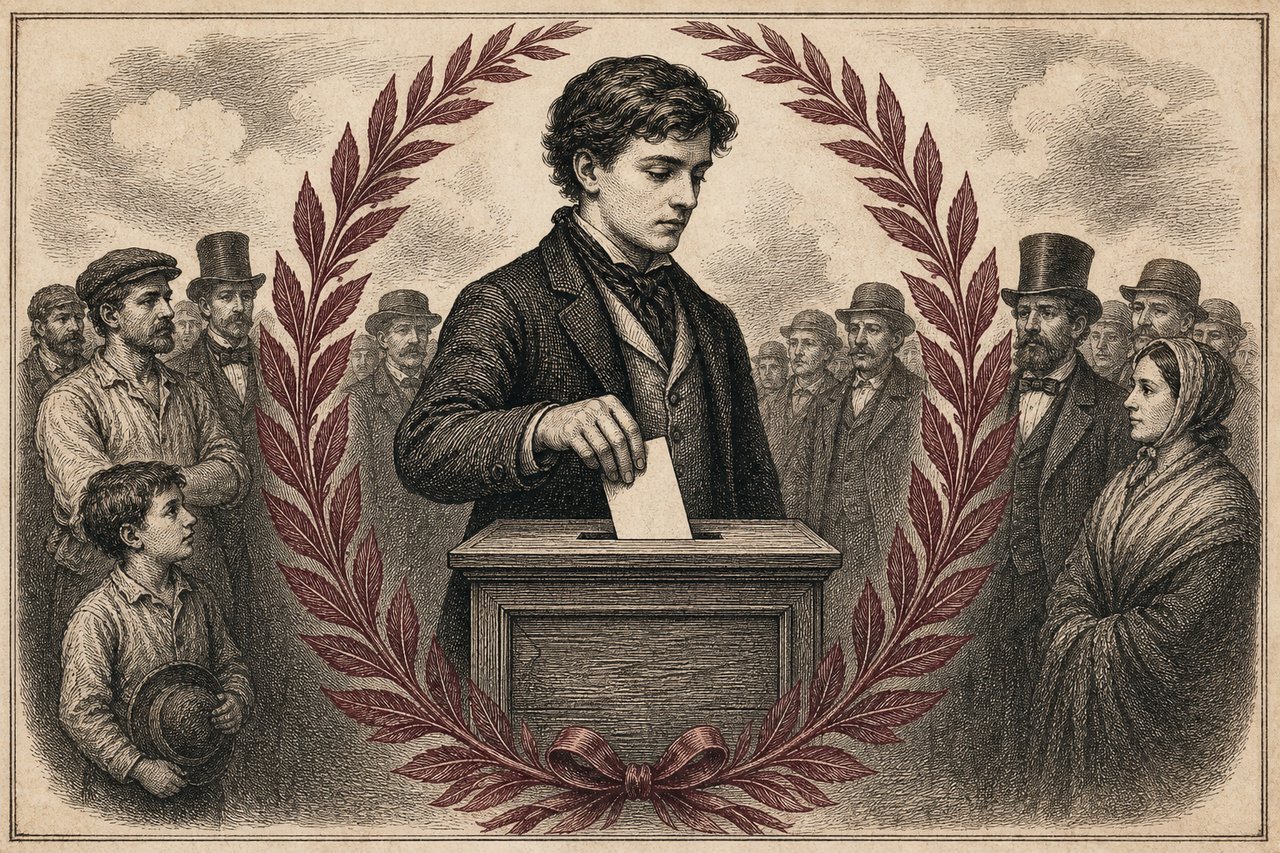
The United Kingdom does not have a single voting age. Depending on where a young person lives and which election is being held, the franchise begins at either 16 or 18 — a patchwork that is the direct result of devolution.
How the age reached 18
The current Westminster threshold is itself the product of reform. The voting age was lowered from 21 to 18 by the Representation of the People Act 1969, which made the United Kingdom one of the first major democracies to enfranchise people at 18. That change, once contested on much the same grounds heard in today’s debate, is now entirely uncontroversial — a reminder that the “right” voting age is a political settlement rather than a fixed fact, and that such settlements move over time.
Where 16- and 17-year-olds can vote
Scotland and Wales have extended the franchise to 16- and 17-year-olds for elections within their own competence — Scottish Parliament and Scottish local elections, and Senedd and Welsh local elections respectively. In those contests, voters of that age are on the register and cast ballots like any other elector.
The devolved extensions did not happen all at once. The decisive precedent was the 2014 referendum on Scottish independence, the first major UK vote in which 16- and 17-year-olds took part. The engagement of those voters was widely noted and helped make the case for keeping the lower age in Scotland’s own elections, which the Scottish Parliament then legislated for; Wales later did the same for the Senedd and Welsh local elections.
For UK general elections to the House of Commons, however, the voting age across all four nations remains 18, because the franchise for Westminster elections is reserved to the UK Parliament. The result is that a 16-year-old in Scotland may have voted several times in devolved and local contests before they are first eligible to vote for their MP.
The case for lowering it
Supporters of a uniform voting age of 16 make several arguments:
- Civic habit. Evidence from Scotland’s experience is often cited to suggest that enfranchising people while they are still in school, and can be supported by civic education, encourages a voting habit that persists.
- Stake in the outcome. Sixteen-year-olds can work, pay tax and, with consent, make a range of legal decisions; the argument runs that they have a legitimate stake in who governs them.
- Consistency. The current split is difficult to justify on principle, since the same person is judged old enough to vote in one election but not another held on the same day.
The case against
Opponents counter that:
- Maturity and information. Critics argue that political judgement benefits from greater life experience, and question turnout durability once the school-based support falls away.
- Coherence of the age of majority. Some prefer to align voting with a single threshold of adult responsibility at 18 rather than create another exception.
- Partisan suspicion. Because younger voters lean in identifiable directions on some issues, the debate is sometimes treated as a proxy for party advantage rather than principle.
The likely trajectory
The practical question is no longer whether 16- and 17-year-olds can ever vote in the UK — they already do, in millions — but whether the Westminster franchise will be brought into line with the devolved one. Internationally, such a change would not make the UK an outlier: Austria has used 16 as the voting age for all elections since 2007, and several other countries allow it for some contests. A commitment to lower the voting age for UK elections has also featured in recent governing programmes. Any such change would require legislation at UK level, and the issue therefore sits where many constitutional questions sit: settled in part, contested in the rest, and resolved ultimately by Parliament.
Questions & Answers
Does the United Kingdom have a single voting age? +
No. The United Kingdom does not have one uniform voting age, because the franchise begins at either 16 or 18 depending on where a young person lives and which election is being held. This patchwork is a direct result of devolution. The same person can be judged old enough to vote in one election but not another.
Where can 16- and 17-year-olds vote in the UK? +
Scotland and Wales have extended the franchise to 16- and 17-year-olds for elections within their own competence. In Scotland this covers Scottish Parliament and Scottish local elections, and in Wales it covers Senedd and Welsh local elections. In those contests voters of that age are on the register and cast ballots like any other elector.
Can 16-year-olds vote in UK general elections? +
No. For UK general elections to the House of Commons the voting age across all four nations remains 18, because the franchise for Westminster elections is reserved to the UK Parliament. As a result, a 16-year-old in Scotland may have voted several times in devolved and local contests before becoming eligible to vote for their MP.
What are the main arguments for lowering the voting age to 16? +
Supporters point to civic habit, citing evidence from Scotland that enfranchising people while they are still in school and supported by civic education encourages a voting habit that persists. They also argue that 16-year-olds can work, pay tax and make various legal decisions, giving them a legitimate stake in who governs them. A further argument is consistency, since the current split is hard to justify on principle.
What are the main arguments against lowering the voting age? +
Opponents argue that political judgement benefits from greater life experience and question whether turnout endures once school-based support falls away. Some prefer to align voting with a single threshold of adult responsibility at 18 rather than create another exception. The debate is also sometimes treated as a proxy for party advantage, because younger voters lean in identifiable directions on some issues.
Why do the voting rules differ between the four nations? +
The differences exist because devolution gives the Scottish Parliament and the Senedd power over elections within their own competence, while Westminster elections remain reserved to the UK Parliament. Scotland and Wales used that power to lower the franchise for their own and local contests. The voting age for the House of Commons can only be changed by legislation at UK level.
Is the Westminster voting age likely to be lowered to 16? +
The practical question is no longer whether 16- and 17-year-olds can ever vote in the UK, since they already do in millions, but whether the Westminster franchise will be brought into line with the devolved one. Any such change would require legislation at UK level. The issue therefore sits where many constitutional questions sit: settled in part, contested in the rest, and resolved ultimately by Parliament.