How to Submit Evidence to a Select Committee
Select committees invite written and oral evidence from the public and experts. This guide explains the process and how to make a submission count.
7 min read
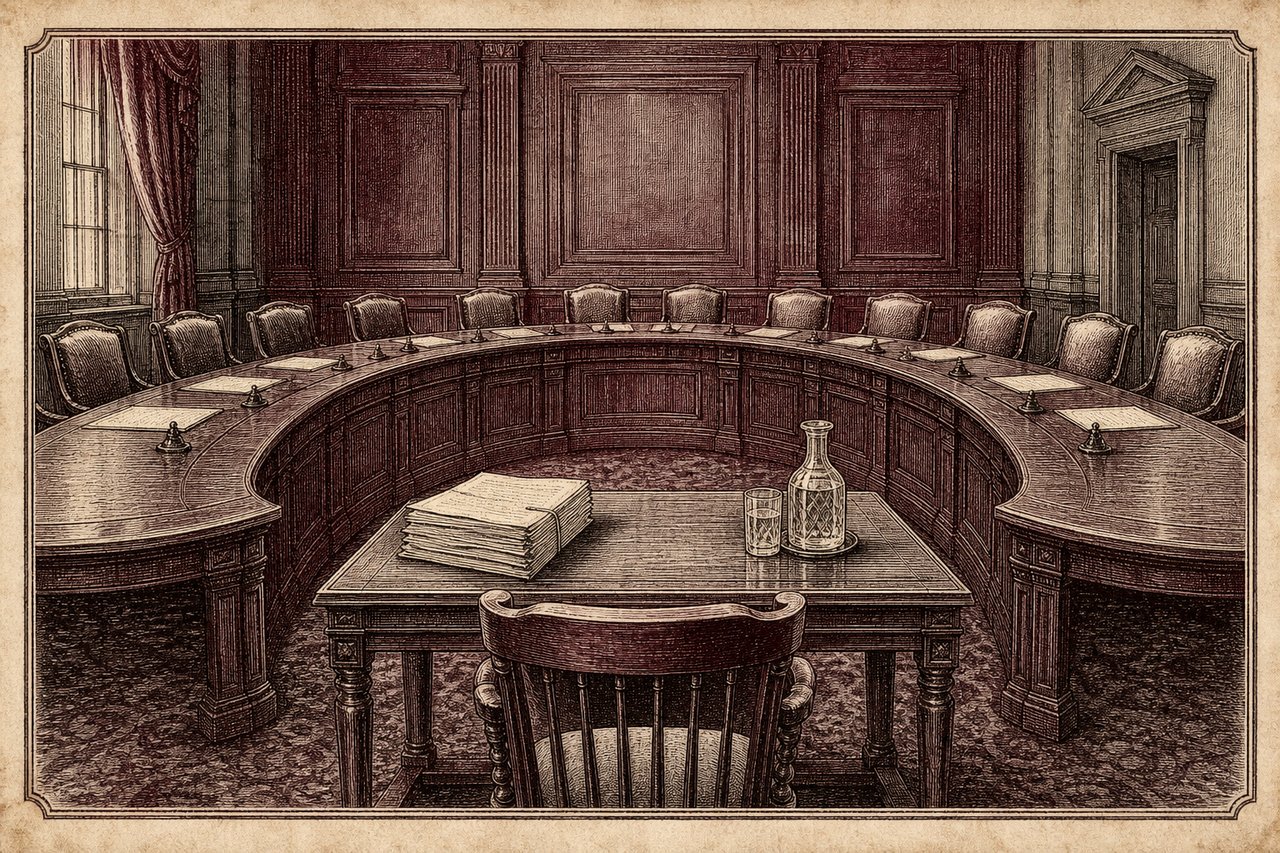
Select committees are among the most open parts of the parliamentary system. Composed of backbench MPs (in the Commons) or members of the House of Lords, they scrutinise the work of government departments and conduct inquiries into matters of public concern — and they routinely ask members of the public, organisations and specialists to give evidence.
The kinds of committee
The Commons departmental select committees shadow individual government departments — there is one for health, one for the Treasury, one for the environment, and so on — while a handful of cross-cutting committees, such as the Public Accounts Committee, examine matters that span the whole of government. The House of Lords runs its own committees, which often take a longer-term or more specialist view. Each works in the same broad way: it chooses a subject, publishes terms of reference, gathers evidence, questions witnesses and reports. Identifying which committee owns a subject is the first step to addressing the right inquiry.
Finding an open inquiry
Each committee publishes the inquiries it currently has open, together with the specific questions it is seeking views on and a deadline for written submissions. The first step for anyone wishing to contribute is to read the inquiry’s terms of reference closely: a submission that answers the questions actually being asked is far more useful to a committee than a general statement on the topic.
Writing a submission
Committees publish guidance on the form written evidence should take. The recurring expectations are consistent:
- Be relevant and focused. Address the inquiry’s questions directly. Material outside the terms of reference is unlikely to be used.
- Be evidence-based. State the basis for claims. First-hand experience, data and specific examples carry more weight than assertion.
- Be original and concise. Committees prefer original material to forwarded campaign text, and short submissions to long ones.
- Follow the format rules. Submissions are typically made through the committee’s online portal and may be published, so they should not contain anything the author would not want on the public record.
From written to oral evidence
Most contributions take the form of written evidence. From the written submissions, and from its own research, a committee selects a smaller number of witnesses to give oral evidence in person at a public session. A clear, well-targeted written submission is therefore not only valuable in itself but is also the principal route to being invited to appear.
Oral evidence sessions are held in public, usually broadcast and later published as a transcript. A witness is questioned by members of the committee, often for an hour or more, on the basis of their written submission and the committee’s own lines of inquiry. The exchange is on the record and forms part of the evidence the committee weighs when it writes its report, so a witness is effectively contributing to a public document rather than to a private conversation.
Why it is worth doing
Committee inquiries feed directly into reports that the government is obliged to respond to, and that inform debate and legislation. Evidence from outside Westminster is one of the main ways the system draws in knowledge it does not otherwise hold. An inquiry typically concludes with a published report and a set of recommendations, to which the government is expected to respond in writing, usually within about two months. For an individual expert or an affected organisation, a submission is among the most direct ways to put knowledge formally on the record — and a submission that shapes even a single recommendation can reach further than its length suggests.
Questions & Answers
What is a select committee? +
A select committee is a group of backbench MPs in the Commons, or members of the House of Lords, that scrutinises the work of government and conducts inquiries into matters of public concern. Committees gather information, question witnesses and publish reports. They are among the most open parts of the parliamentary system.
Who can submit evidence to a select committee? +
Members of the public, organisations and specialists are all routinely invited to give evidence. There is no requirement to be an expert, though submissions are most useful when they draw on direct knowledge or experience of the inquiry's subject. Anyone wishing to contribute should first read the inquiry's terms of reference closely.
How do I find an inquiry that is open for submissions? +
Each committee publishes the inquiries it currently has open, together with the specific questions it is seeking views on and a deadline for written submissions. The first step is to identify an inquiry whose terms of reference match what a contributor wants to say. A submission that answers the questions actually being asked is far more useful than a general statement on the topic.
What makes a written submission effective? +
Effective submissions are relevant, evidence-based, original and concise. They address the inquiry's questions directly, state the basis for any claims and avoid material outside the terms of reference. Committees prefer original analysis to forwarded campaign text and short submissions to long ones.
Will my submission be made public? +
Submissions are typically made through the committee's online portal and may be published. Contributors should therefore avoid including anything they would not want on the public record. Following the committee's stated format rules helps ensure a submission can be accepted and used.
How does written evidence lead to giving oral evidence? +
Most contributions take the form of written evidence. From those submissions, and from its own research, a committee selects a smaller number of witnesses to give oral evidence in person at a public session. A clear, well-targeted written submission is therefore the principal route to being invited to appear.
Why is submitting evidence worth the effort? +
Committee inquiries feed into reports that the government is obliged to respond to and that inform debate and legislation. Evidence from outside Westminster is one of the main ways the system draws in knowledge it does not otherwise hold. For an affected individual or organisation it is among the most direct ways to contribute to Parliament's work, and it sits alongside other channels such as writing to an MP.