UK Parliament Petitions Explained
Anyone can start or sign a UK Parliament petition. The 10,000 and 100,000 thresholds trigger a response and possible debate. This guide explains how.
8 min read
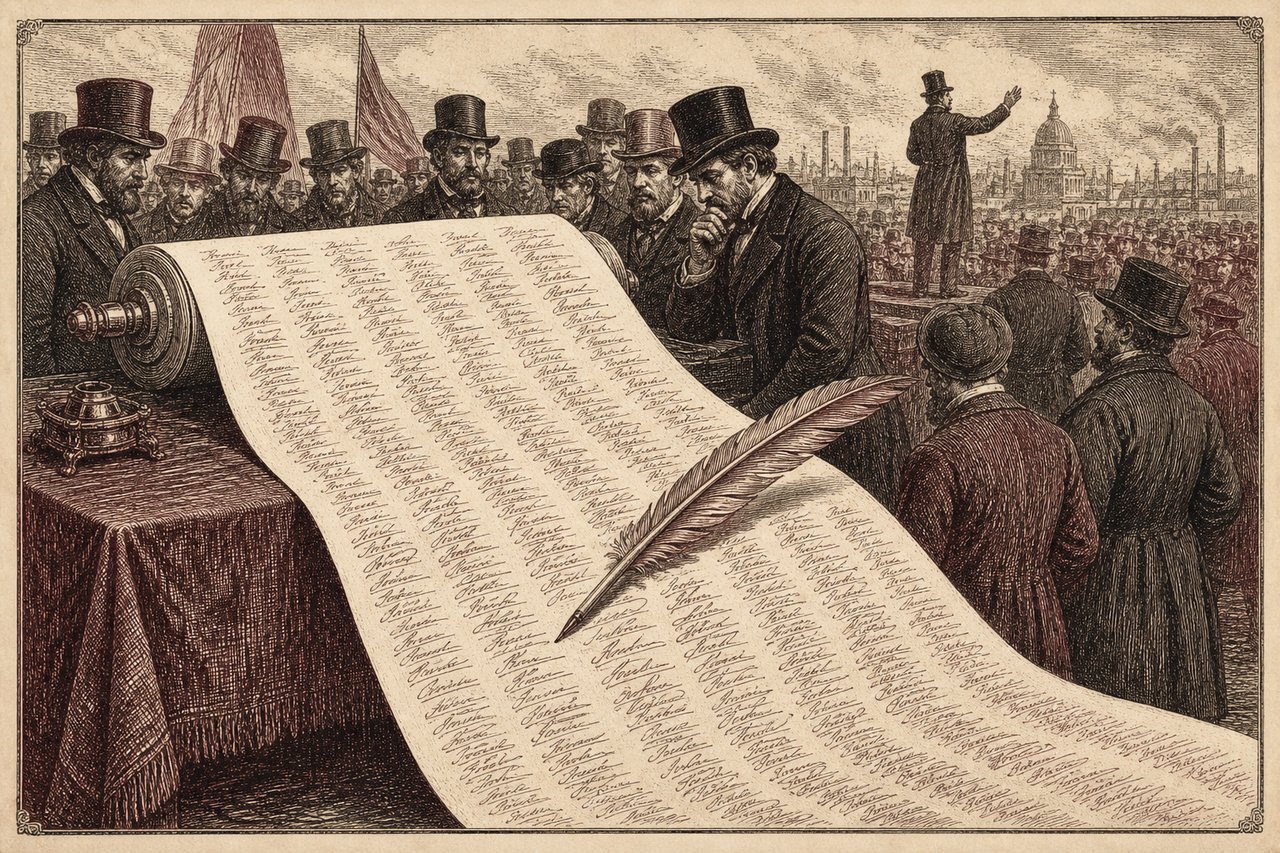
The official UK Parliament petitions system is one of the most accessible routes into the political process. It requires no special standing, no MP’s sponsorship and no cost — anyone who is a British citizen or UK resident can start a petition or add their name to one. What gives the system its force is a pair of signature thresholds that convert public support into concrete obligations on the government and Parliament.
The current e-petitions system dates from 2015, when petitions moved onto a single official website and responsibility for them was placed with a dedicated Petitions Committee of MPs. Earlier arrangements had been run by the government alone; handing a cross-party committee of backbenchers control over which petitions are taken forward was intended to make the process less subject to ministerial discretion.
How a petition starts
A petition begins with a single person proposing a clear action — something the UK government or Parliament actually has the power to do. Before it is published for the public to sign, it must attract six supporters and pass a check against published standards. Petitions are rejected if they concern matters outside Parliament’s responsibility, duplicate an existing petition, lack a clear ask, or breach the rules on defamatory or offensive content.
Once published, a petition is normally open for six months. It also closes automatically if Parliament is dissolved for a general election — at which point every open petition falls, regardless of how many signatures it has gathered.
The 10,000 threshold: a government response
The first milestone comes at 10,000 signatures. At this point the government is obliged to publish a written response setting out its position on the issue. This is not a debate or a change of policy, but it does force the relevant department to engage publicly and on the record — something that would otherwise be easy to avoid.
The 100,000 threshold: considered for debate
The second milestone, at 100,000 signatures, is the one that draws public attention. A petition that crosses it is considered for debate in Parliament. The decision rests with the Petitions Committee, a cross-party group of MPs that manages the system; it weighs factors such as whether the issue has recently been debated and how much parliamentary time is available. Debates usually take place in Westminster Hall rather than the main chamber.
It is important to read the word “considered” carefully. Crossing 100,000 makes a debate likely but not automatic, and the debate itself is a general debate, not a vote on legislation. Ministers must turn up and respond, and the issue is placed firmly on the record — but the law does not change as a direct result.
What petitions can and cannot do
The honest assessment is that petitions are a tool of salience and accountability, not of direct legislative change. They cannot, on their own, pass a law or compel a particular decision. What they can do is significant nonetheless:
- compel a public government response at 10,000;
- secure a parliamentary debate, with ministers obliged to engage, at 100,000;
- create a permanent, public record of support that campaigners, journalists and MPs can point to.
For an individual, signing takes seconds and is fully transparent; for a campaign, a large petition is evidence of public backing that is hard to dismiss. Used realistically — as one channel among several rather than a magic button — the petitions system is a real and accessible point of entry into the political process.
To go further than a signature, the Registry’s guides explain how to write to your MP and how to submit evidence to a select committee. The From Westminster dispatches track which petitions are currently gaining traction and crossing these thresholds.
Questions & Answers
Who can start or sign a UK Parliament petition? +
Any British citizen or UK resident can create or sign a petition on the official petitions site. A petition must be started by six people before it is published for wider signing.
What happens at 10,000 signatures? +
At 10,000 signatures, the government is required to publish a written response to the petition. The response sets out the government's position on the issue raised.
What happens at 100,000 signatures? +
At 100,000 signatures, a petition is considered for debate in Parliament. The Petitions Committee decides whether and when it is debated — usually in Westminster Hall — so crossing the threshold makes a debate likely but not automatic.
Does a petition debate change the law? +
No. A petitions debate is a general debate, not a vote on legislation. It obliges ministers to engage publicly with the issue and puts it on the record, but it does not by itself change the law.
How long does a petition stay open? +
Petitions are normally open for six months. They also close early if Parliament is dissolved for a general election, and all open petitions fall at that point.
What is the Petitions Committee? +
The Petitions Committee is a cross-party group of MPs that oversees the public petitions system. It decides which petitions are debated, can press the government for fuller responses, and can take further action such as launching an inquiry.
Why do some petitions get rejected? +
Petitions are checked against published standards before publication. They are rejected if they are about something Parliament or the government is not responsible for, are duplicates, are defamatory, or do not call for a clear action.
Is signing a petition worthwhile? +
Petitions are a low-effort, high-transparency way to register an opinion and, at scale, to compel a government response or debate. They rarely change law on their own, but they raise the salience of an issue and create a public record of support.