Caroline Lucas: The Influence of a Single Green Seat
For fourteen years Caroline Lucas was the Green Party's lone MP. This profile examines how one member, without a large bloc, came to shape a national debate.
7 min read
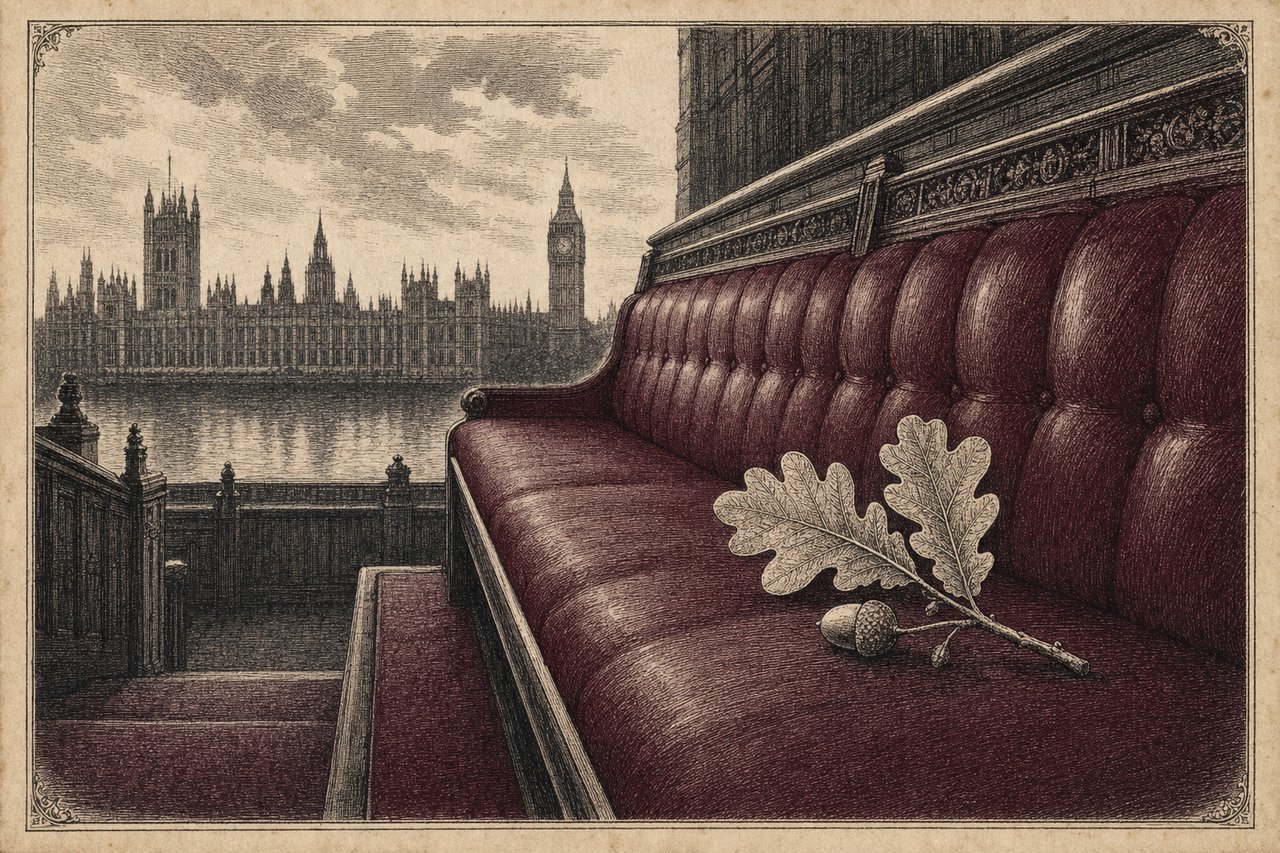
Caroline Lucas occupies a distinctive place in modern British politics: for most of her time in Parliament she was a party of one. As the first Green Party politician elected to the House of Commons, and for fourteen years its only MP, she offers a case study in a question that interests every student of Westminster — how much can a single member achieve without the numbers that usually translate into power?
A first, and for a long time a only
Lucas was elected MP for Brighton Pavilion in 2010, becoming the first Green Party MP in the history of the House of Commons. She held the seat at successive general elections and, for the bulk of that period, sat as her party’s sole representative in the chamber. She had earlier served as a Member of the European Parliament, and she led — and at times co-led — the Green Party of England and Wales. She stood down as an MP at the 2024 general election, ending a fourteen-year tenure.
That combination of facts — a national party reduced, at Westminster, to a single seat held by one person — is what makes her career analytically interesting. Most accounts of parliamentary influence assume blocs: whips, voting weight, the bargaining power of numbers. Lucas had none of that. Her influence, such as it was, had to come from somewhere else.
How a single MP exerts influence
Lacking a bloc, a lone MP’s influence is almost entirely agenda-setting and reputational rather than arithmetical. Several mechanisms are visible in Lucas’s record:
- The platform of a seat. Simply holding a Commons seat confers standing — the right to speak, to table questions and amendments, to sit on committees, and to be reported as a parliamentary voice rather than an outside campaigner. A backbench seat is a megaphone even when it commands no votes.
- Issue ownership. By concentrating consistently on a defined set of causes — climate and the environment above all, alongside electoral reform and a pro-European outlook — a single member can become the figure the media and the public associate with that issue, amplifying it beyond their voting weight.
- Cross-party persuasion. Without numbers of her own, a lone MP’s only route to outcomes is convincing others. That places a premium on argument, alliance-building and private persuasion rather than the public theatre of a large party.
None of these delivers the hard power of a majority. What they can do is shift salience — keeping an issue on the agenda, framing how it is discussed, and giving it a recognisable parliamentary champion.
Why the profile matters
Lucas’s career is instructive precisely because it tests the limits of the lone-member model. The honest assessment is mixed: a single MP cannot pass a programme, and the Green presence in the Commons remained small throughout her tenure. Yet the persistence of a recognisable, single-issue-anchored voice arguably helped move environmental questions from the margins toward the mainstream of political debate — an example of soft power inside a hard-power institution.
For readers trying to understand Westminster, her record illustrates a general point that the Registry’s guides return to often: the formal mechanics of Parliament — how MPs vote, how a bill becomes law — describe where decisions are made, but they do not fully capture where influence comes from. A member with no majority can still change what the country argues about.
The Registry profiles figures across the spectrum of public life on the same non-partisan basis: their public role and methods, not an endorsement of the positions they took. Lucas earns a profile as one of the clearest modern illustrations of how a single seat, held consistently, can carry weight out of all proportion to its numbers.
Questions & Answers
Who was the first Green Party MP elected to the House of Commons? +
Caroline Lucas was the first Green Party politician elected to the House of Commons. She won the seat of Brighton Pavilion in 2010 and held it at successive general elections. For most of her time in Parliament she was the only Green MP in the chamber.
When did Caroline Lucas become an MP and when did she stand down? +
Lucas was elected MP for Brighton Pavilion at the 2010 general election. She stood down at the 2024 general election, ending a tenure of roughly fourteen years. Before entering the Commons she had served as a Member of the European Parliament.
How can a single MP exert influence without a party bloc behind them? +
A lone member's influence is largely about agenda-setting and reputation rather than voting arithmetic. Holding a seat confers the right to speak, table questions and amendments, and sit on committees, which gives a recognisable platform. What follows depends on issue ownership and cross-party persuasion rather than the numbers a large party can command.
What issues was Caroline Lucas most associated with? +
She concentrated consistently on climate and the environment, alongside electoral reform and a pro-European outlook. By focusing on a defined set of causes, a single member can become the figure the public and media associate with an issue. This kind of issue ownership can amplify a cause beyond a member's actual voting weight.
Did Caroline Lucas lead the Green Party? +
She led, and at times co-led, the Green Party of England and Wales during her career. The party's national leadership role was separate from her work as the sole Green voice in the Commons. Combining a leadership profile with a single Westminster seat is part of what makes her career a notable case study.
What does Caroline Lucas's career show about parliamentary influence? +
Her record illustrates the limits and the possibilities of the lone-member model: a single MP cannot pass a programme, yet a persistent voice can help shift which issues are debated. It is often described as soft power inside a hard-power institution. The formal mechanics of Parliament, such as how MPs vote in Commons divisions, describe where decisions are made but not fully where influence originates.
Was the Green presence in the Commons large during her tenure? +
No. Throughout her time as an MP the Green presence in the House of Commons remained small, with Lucas frequently its only representative. The analytical interest in her career comes precisely from how much a recognisable, single-issue-anchored voice could achieve without numbers. The honest assessment is mixed rather than triumphant.