Our Future, Our Choice: A Retrospective
Of the youth-led groups formed after the 2016 referendum, Our Future, Our Choice was among the most visible. This retrospective examines what it was and did.
8 min read
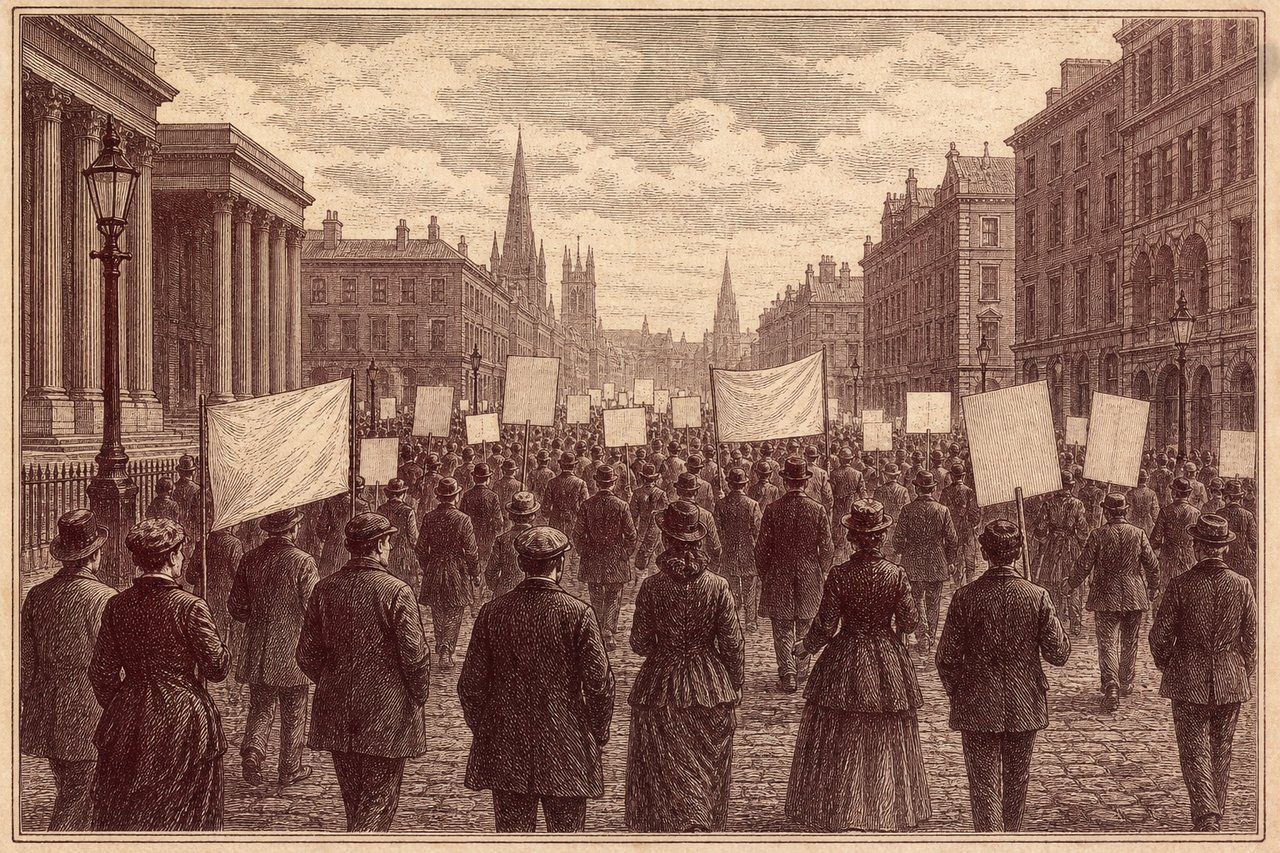
In the years following the 2016 referendum, a number of campaign groups formed specifically to argue the case for continued European Union membership from the perspective of younger voters. Our Future, Our Choice was among the most prominent of them. This retrospective examines the group as a historical example of youth-led civic organising; it is an editorial account, not a statement by or on behalf of the organisation.
The moment it emerged
The group took shape during an unusual interval in British politics: the result of the referendum was settled, but the form that leaving the European Union would take was not, and for roughly three years that question dominated Parliament. The uncertainty created space for campaigning that would have had little purpose in an ordinary electoral cycle. A range of organisations formed to argue that the public should have a say on the final terms, and the youth-focused groups occupied a distinct niche within that broader effort, speaking to and for the cohort that polling consistently showed to be the most opposed to leaving.
What it was
Our Future, Our Choice was a youth-focused pro-European campaign built around the argument that the long-term consequences of the referendum would fall most heavily on the generation that had been least likely to determine its outcome. It positioned itself explicitly as a voice for younger people in a debate whose most visible figures were, for the most part, considerably older.
How it operated
The group’s model reflected the wider pattern of late-2010s campaigning. It combined a small number of recognisable spokespeople — who appeared on broadcast debates and built substantial social-media followings — with a broader network of student and graduate volunteers. Activity clustered around set-piece moments: national marches, days of in-person lobbying at Westminster, and the parliamentary votes that punctuated the process. Between those moments, the campaign worked largely online, where it could reach an audience that traditional canvassing struggled to engage.
Two kinds of set-piece dominated the calendar. The first was the mass demonstration — large pro-European marches through central London that produced the movement’s most visible moments and its biggest crowds. The second was the targeted lobby, in which constituents travelled to Westminster to meet their own MPs face to face, a tactic examined in the account of the parliamentary lobby. The youth groups were closely associated with the second, because a young constituent putting a direct question to their representative carried a force that a press release could not.
The generational argument
At the centre of the campaign was a claim about time: that a decision whose consequences would run for decades had been taken largely by voters who would live to see fewer of them. The argument was not merely rhetorical. Opinion research throughout the period recorded a wide and persistent gap between younger and older voters on EU membership, set out in the analysis of youth support for the EU. That gap gave the youth campaigns both their rationale and their particular standing in a debate otherwise led by older politicians and commentators.
What it represented
Beyond any single intervention, the campaign was significant as a marker of how civic participation was changing. It showed that a lightweight, media-literate structure run substantially by people in their twenties could secure national visibility quickly and cheaply. It also reflected — and helped articulate — the pronounced generational divide on the European question that opinion research has continued to record.
Place in the record
Campaign groups of this kind are now part of the documented history of the Brexit period. Setting out what they were and how they worked, in neutral terms, helps explain a politics in which some of the most effective advocacy came from outside the parties and the press. The Registry covers such movements as historical and civic phenomena, without endorsing the positions they advanced.
Questions & Answers
What was Our Future, Our Choice? +
Our Future, Our Choice was a youth-focused pro-European campaign group that formed in the years after the 2016 referendum. It argued the case for continued European Union membership specifically from the perspective of younger voters, on the grounds that the long-term consequences of the result would fall most heavily on the generation least likely to have determined it.
When did the group form? +
It emerged in the period following the 2016 referendum, alongside several other groups that organised around the European question during the years of parliamentary debate that followed. It was one of the more visible of the youth-led organisations to appear in that period.
Who ran the campaign? +
The group combined a small number of recognisable spokespeople, who appeared on broadcast debates and built sizeable social-media followings, with a broader network of student and graduate volunteers. This reflected a wider model of late-2010s campaigning, in which a lightweight structure run substantially by people in their twenties could secure national visibility quickly.
How did the campaign operate day to day? +
Activity clustered around set-piece moments such as national marches, days of in-person lobbying at Westminster, and the parliamentary votes that punctuated the process. Between those moments, much of the work took place online, where the campaign could reach younger audiences that traditional door-to-door canvassing struggled to engage.
How was it different from other pro-EU campaigns? +
Its distinguishing feature was its explicit focus on younger voters and the generational argument about who would live longest with the outcome. Where some pro-European campaigns were broad in their appeal, this group positioned itself as a voice for a generation in a debate whose most prominent figures were generally much older. A related broader campaign is discussed in the account of the People's Vote campaign.
Did the group use a touring campaign bus? +
Youth-led pro-European groups of this period were among those that adopted the touring campaign bus as a method, taking their case from university towns to wider audiences. The format and its uses are examined in the piece on the campaign bus as a touring format.
Why does the campaign matter historically? +
Beyond any single intervention, the group is significant as a marker of how civic participation was changing. It showed that a media-literate structure run mostly by young people could achieve national visibility cheaply, and it helped articulate the pronounced generational divide on the European question that opinion research has continued to record.
Is this account written on behalf of the organisation? +
No. It is an editorial retrospective that examines the group as a historical example of youth-led civic organising. It sets out what the campaign was and how it worked in neutral terms, without endorsing the positions it advanced.